
How to Choose a Plastic Component Manufacturer in India
Choosing a plastic component manufacturer in India is an important procurement decision for OEMs, engineering companies and industrial businesses. The right manufacturing partner must understand your technical specifications, deliver consistent component quality and support your production requirements.
However, identifying a suitable supplier involves more than comparing prices. Manufacturing capabilities, tooling arrangements, quality control, production capacity and delivery reliability all influence the success of a sourcing decision.
Whether you need a new injection-moulded component or regular supplies of an existing part, this guide provides ten practical checks to help you evaluate potential manufacturers.
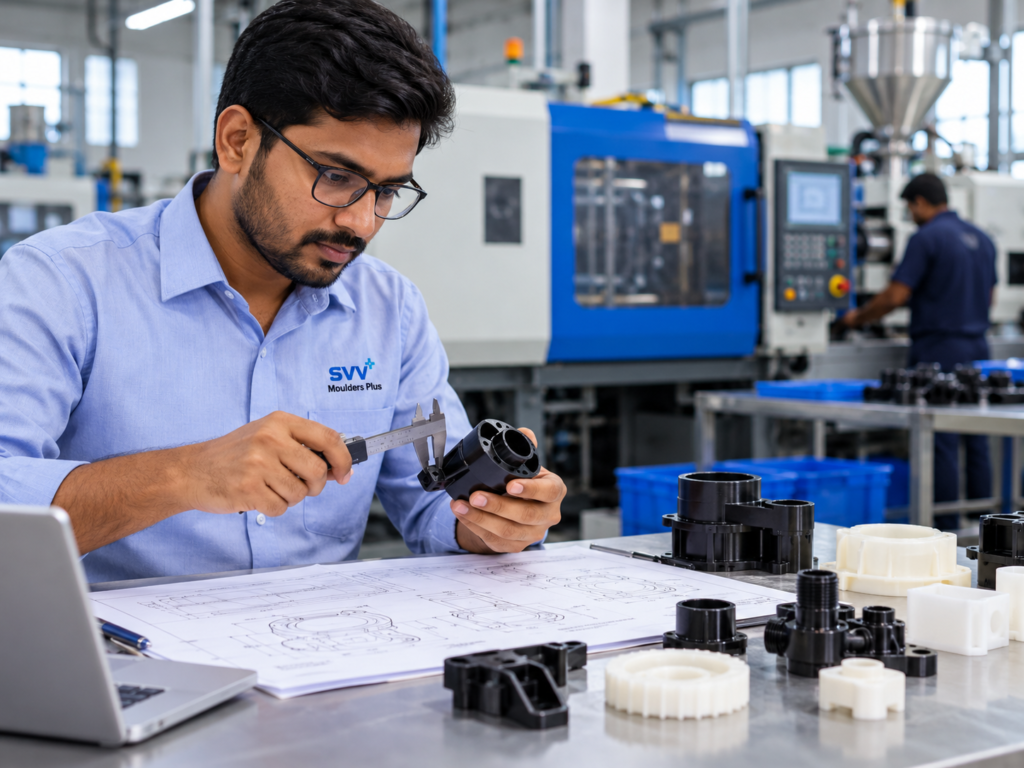
1. Define Your Requirements Before Contacting a Plastic Component Manufacturer in India
Before approaching suppliers, prepare a clear description of your component and its intended application.
A manufacturer can assess your enquiry more effectively when you provide the relevant technical and commercial information at the beginning of the discussion.
Prepare Your Technical Specifications
Gather the information required to evaluate manufacturing feasibility, including:
- Component drawings or physical samples
- Intended application and operating conditions
- Preferred material and material grade, if known
- Critical dimensions and functional requirements
- Expected order quantities and production frequency
- Target delivery schedule
If your design is still under development, distinguish between confirmed specifications and features that may change during sampling.
Review Drawings and Material Requirements
Technical drawings should identify the dimensions and characteristics necessary for the component to function correctly.
Where a drawing is unavailable, a physical sample can support an initial technical discussion. However, the sample may not communicate every material or dimensional requirement.
Identify Critical Dimensions
Highlight dimensions that affect assembly, sealing, movement or compatibility with other components.
Discuss how these dimensions should be inspected and what acceptance criteria will apply.
Approve the Final Manufacturing Specification
Before bulk production, agree on the final drawing revision, material specification, approved sample and inspection requirements.
Establish a process for documenting and approving future changes.
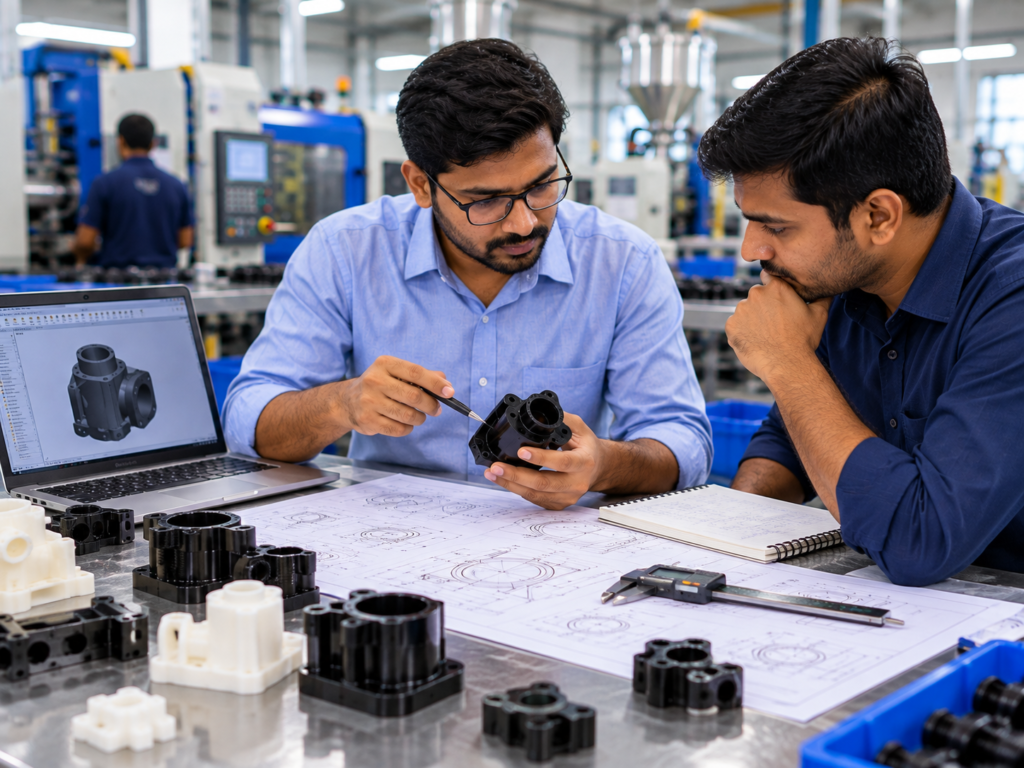
2. Evaluate Manufacturing and Injection Moulding Capabilities
A reliable plastic component manufacturer in India should be able to assess whether its manufacturing processes are suitable for your specific component.
Do not assume that every company offering plastic injection moulding can manufacture every type of plastic part.
Manufacturing suitability depends on component geometry, material requirements, tooling arrangements and expected production quantities.
Check Relevant Manufacturing Experience
Ask prospective suppliers whether they have manufactured components with similar technical requirements.
Discuss the proposed manufacturing process and any potential challenges associated with your component design.
If appropriate, request representative samples or arrange a technical discussion with the manufacturing team.
Understand Tooling Requirements
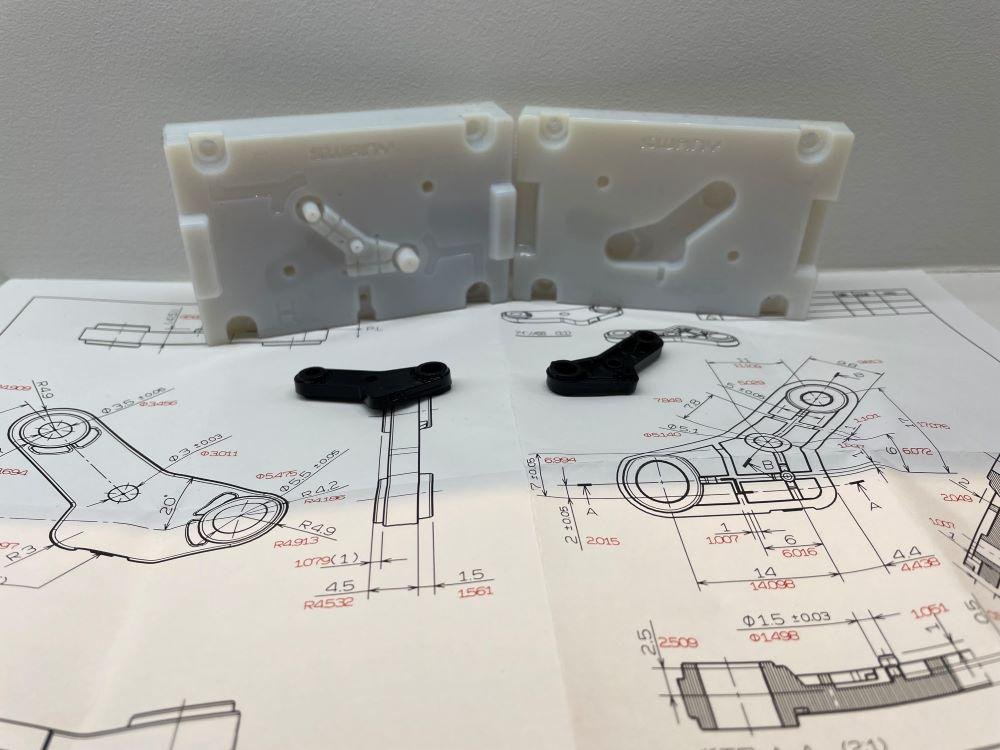
Tooling is a major consideration when selecting an injection moulding company in India.
If you already own a mould, ask the manufacturer to evaluate its compatibility with the available equipment.
For a new component, discuss mould development, sample approval, modifications and the expected development schedule.
Clarify tooling ownership, storage, maintenance and transfer responsibilities before placing an order.
Request a Manufacturability Review
An early review of the component drawing may identify design features that require further evaluation.
Depending on the component, the manufacturer may need to assess wall thickness, draft angles, ribs, bosses, undercuts and other moulding considerations.
Ask suppliers to explain proposed design modifications and their implications for component function.
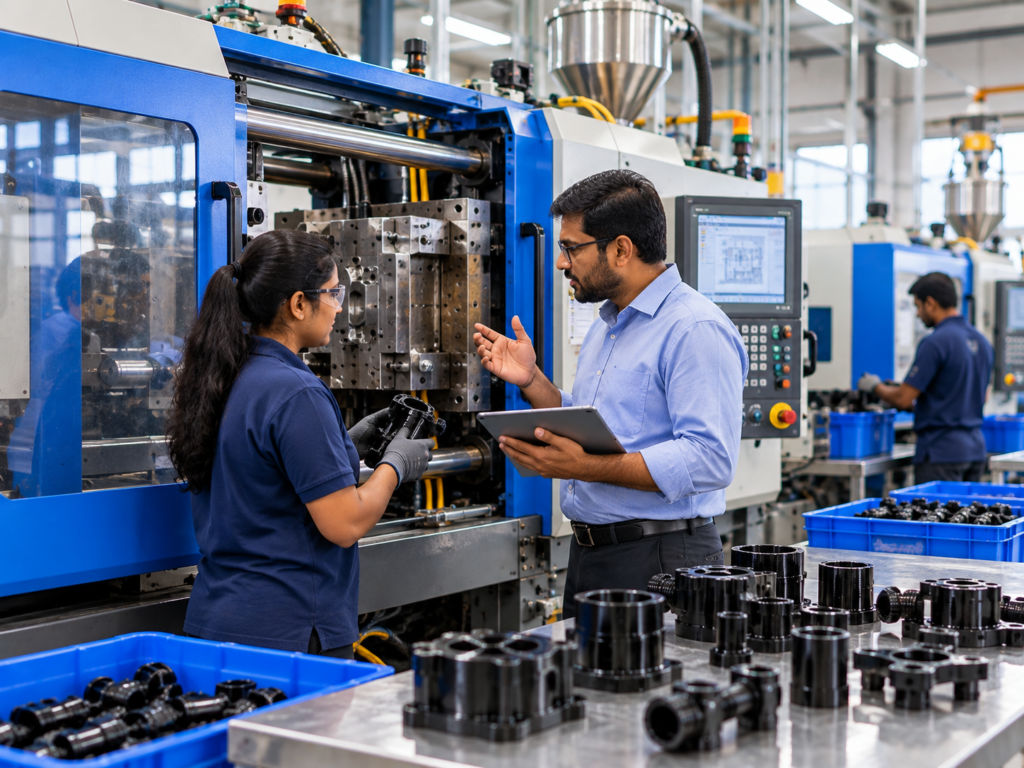
3. Examine Quality Control and Inspection Procedures
Quality consistency is essential when choosing a plastic component manufacturer in India for repeat OEM production.
Components that fail to meet agreed specifications can create assembly problems, increase rejection costs and interrupt downstream manufacturing.
Therefore, quality control should be discussed before supplier approval rather than after production begins.
Check Material Verification
Ask how the manufacturer identifies incoming raw materials and confirms that the correct material is used for production.
Where a particular polymer grade or material characteristic is essential, include it in the agreed specification.
Confirm whether the documentation required for your project can be provided.
Review In-Process Inspection
Inspection during production can help identify deviations before a large quantity of components is completed.
Discuss which dimensions or characteristics will be inspected, how frequently checks will occur and how nonconforming components will be handled.
Inspection arrangements should reflect your component’s functional and dimensional requirements.
Establish Sample Approval Procedures
Before authorising bulk production, evaluate initial samples against the agreed technical specifications.
Where relevant, sample approval may include dimensional inspection, visual assessment and functional testing.
Document the approved sample and establish a process for handling subsequent changes.
A plastic component manufacturer in India should be evaluated against the inspection and documentation requirements of your particular project.
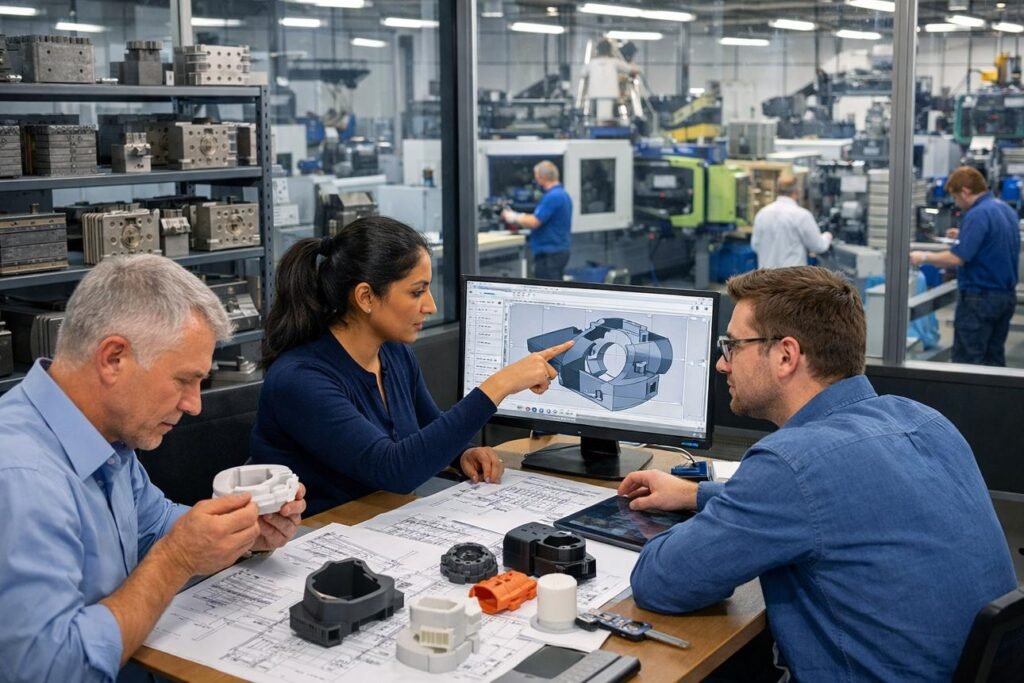
4. Assess Production Capacity and Delivery Reliability
Manufacturing capability does not automatically guarantee sufficient available capacity.
When selecting a plastic component manufacturer in India, assess whether the supplier can accommodate your anticipated order quantities and production schedule.
A supplier may be technically capable of manufacturing a component but unable to meet the required delivery timeline.
Discuss Expected Production Volumes
Share your estimated initial order quantity, anticipated monthly requirements and potential changes in future demand.
Ask the supplier to assess your requirements against its available manufacturing capacity.
For recurring orders, discuss how production will be planned and coordinated.
Clarify Lead Times
Separate the timelines for tooling development, initial sampling and regular production.
New components requiring mould development may need additional time for technical reviews, sample evaluation and modifications.
Ask the supplier to identify the factors that could affect your proposed delivery schedule.
Evaluate Supply Continuity
Discuss how the manufacturer manages equipment maintenance, material shortages and unexpected production interruptions.
Establish who will communicate production delays and coordinate revised delivery plans.
For long-term supply arrangements, consider how the supplier will respond to foreseeable changes in demand.
5. Compare Technical Communication and Engineering Support
Clear communication is particularly important when manufacturing components from customer drawings.
A plastic component manufacturer in India should be able to explain its technical evaluation process and identify the people responsible for engineering discussions.
Establish a Technical Point of Contact
Confirm who will review your drawings, discuss manufacturing requirements and communicate proposed changes.
A defined technical contact can help procurement and engineering teams coordinate efficiently.
Manage Drawing Revisions
Agree on a process for identifying the latest approved drawing and recording design modifications.
Ensure that revised specifications are reviewed before being released for production.
Poor revision control can result in components being manufactured against outdated requirements.
Evaluate Responsiveness
During the quotation and sampling stages, observe whether the supplier responds clearly to technical questions.
Useful responses should identify assumptions, explain outstanding requirements and distinguish confirmed capabilities from matters requiring further evaluation.

6. Compare Quotations and Total Procurement Costs
Price is important, but it should not be the only criterion when choosing a plastic component manufacturer in India.
A lower unit price may be accompanied by different tooling charges, material assumptions, inspection arrangements or delivery terms.
Compare quotations using the same technical and commercial requirements.
Review the Complete Quotation
Check whether the quotation clearly identifies material specifications, order quantities, tooling charges, sampling costs and applicable commercial terms.
Clarify packaging, transportation, minimum order quantities and payment conditions.
Consider the Total Cost of Supply
Evaluate the potential effect of rejected components, tooling modifications, delayed deliveries and additional inspection requirements.
The objective is to understand the complete procurement arrangement rather than compare unit prices in isolation.
7. Verify Tooling Ownership and Commercial Responsibilities
When sourcing custom components, clarify the responsibilities associated with tooling and technical information.
Ask who will own the mould, who will be responsible for maintenance and what arrangements apply if tooling needs to be transferred.
For proprietary designs, establish appropriate confidentiality terms before sharing sensitive information.
Document how engineering changes, additional tooling expenditure and revised production requirements will be approved.
These discussions are particularly important when establishing a long-term relationship with a plastic component manufacturer in India.
8. Request Samples Before Approving Bulk Production
Samples allow buyers to evaluate the proposed component before committing to regular production.
Request samples manufactured using the agreed material and relevant tooling arrangements.
Inspect the samples against your technical drawings and functional requirements.
Where appropriate, conduct assembly trials or other application-specific evaluations.
If modifications are required, document the changes and establish whether further sample approval is necessary.
For a new supplier, consider how sample approval will be linked to the release of subsequent production orders.
9. Use a Practical Supplier Evaluation Checklist
A structured checklist helps procurement teams compare manufacturers against consistent requirements.
Use the following questions when assessing a plastic component manufacturer in India.
| Evaluation area | Question for the supplier |
|---|---|
| Technical capability | Have you reviewed our component drawings and manufacturing requirements? |
| Manufacturing suitability | Is your equipment and process suitable for our component? |
| Tooling | Can you assess our existing mould or discuss new mould development? |
| Materials | Can you meet our specified material requirements? |
| Quality control | What inspection procedures are appropriate for our component? |
| Sample approval | How will samples be evaluated and approved? |
| Capacity | Can you accommodate our anticipated production quantities? |
| Lead times | What timelines apply to tooling, sampling and repeat production? |
| Communication | How are technical queries and drawing revisions managed? |
| Commercial terms | Are all relevant manufacturing and tooling costs clearly identified? |
For critical components, consider requesting additional technical documentation, relevant samples or a factory visit before approving the supplier.
10. Discuss Your Requirements with SVV Moulders Plus
If you are looking for a plastic component manufacturer in India, SVV Moulders Plus can be considered for relevant industrial and OEM manufacturing enquiries.
Based in Nagaram, Rangareddy District, Telangana, the company manufactures plastic injection-moulded components and CNC automatic lathe-machined hydraulic components for OEM and bulk production requirements.
Manufacturing requirements are evaluated according to customer drawings and specifications.
Prospective buyers can review the company’s product information and discuss whether its manufacturing capabilities are suitable for their proposed components.
Request a Manufacturing Capability Discussion
Share your drawings or samples, material specifications, anticipated production quantities and expected project timeline.
A technical discussion can help establish the next steps for evaluating your manufacturing requirements.
Request a manufacturing capability discussion
Contact SVV Moulders Plus to discuss your custom plastic component and OEM production requirements.Contact SVV Moulders Plus WhatsApp enquiry
Phone / WhatsApp: +91 93925 03136
Frequently Asked Questions
How do I choose a plastic component manufacturer in India?
Begin by defining your component specifications, material requirements, anticipated quantities and delivery expectations. Evaluate prospective suppliers based on manufacturing suitability, tooling arrangements, quality control, production capacity and commercial terms.
What information should I provide when requesting a quotation?
Provide technical drawings or samples, material specifications, critical dimensions, expected order quantities and delivery requirements. Identify any special inspection or documentation requirements.
How can I evaluate an injection moulding supplier’s quality control?
Ask about incoming material verification, in-process inspection, sample approval and final inspection procedures. Discuss the specific acceptance criteria applicable to your component.
Should I select the manufacturer offering the lowest quotation?
Compare complete procurement costs rather than unit price alone. Tooling charges, material specifications, quality requirements and delivery arrangements may affect the overall cost of supply.
Can SVV Moulders Plus manufacture components from customer drawings?
SVV Moulders Plus manufactures plastic injection-moulded components according to customer drawings and specifications. The suitability of an individual project should be confirmed through a manufacturing capability discussion.